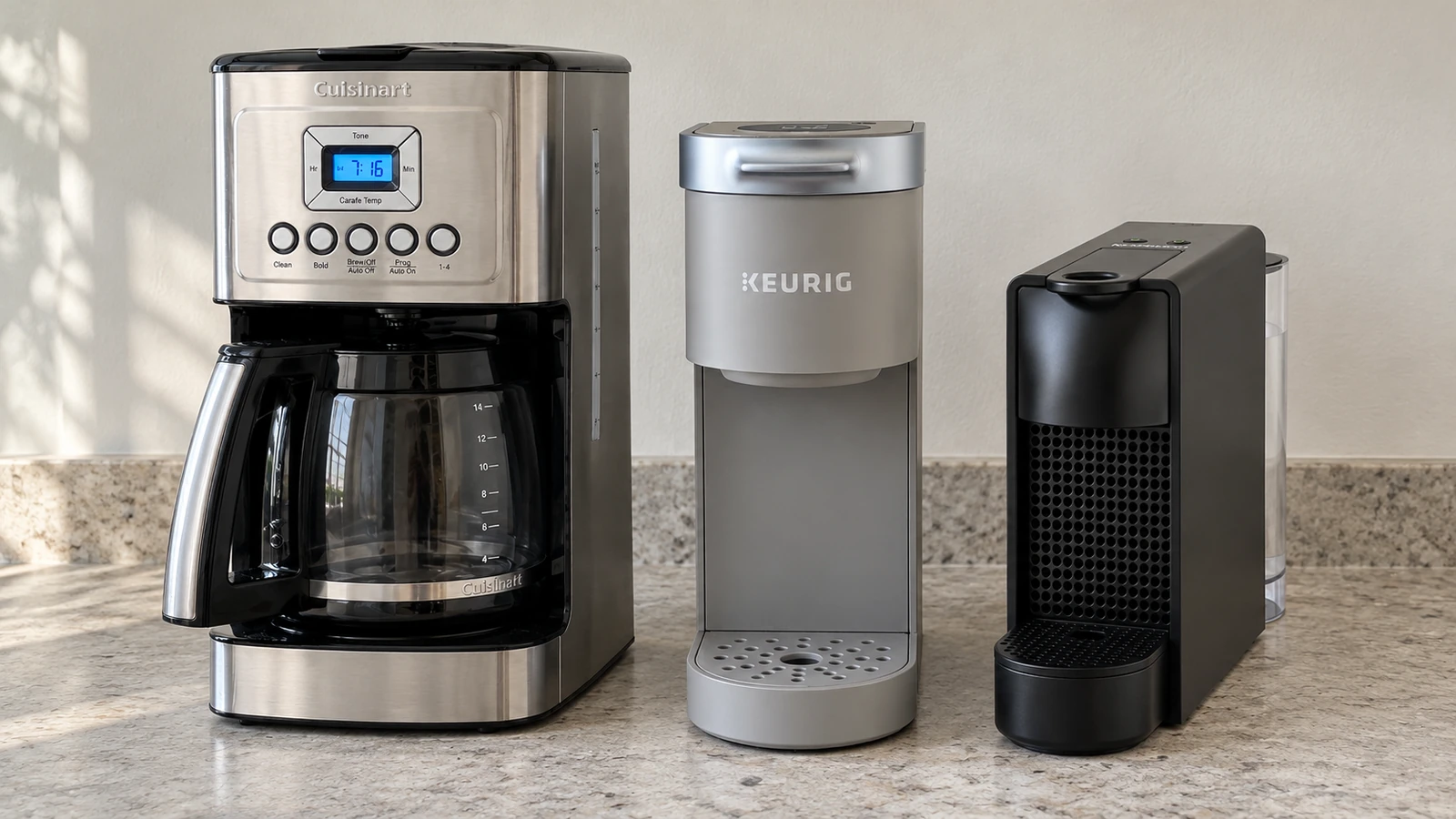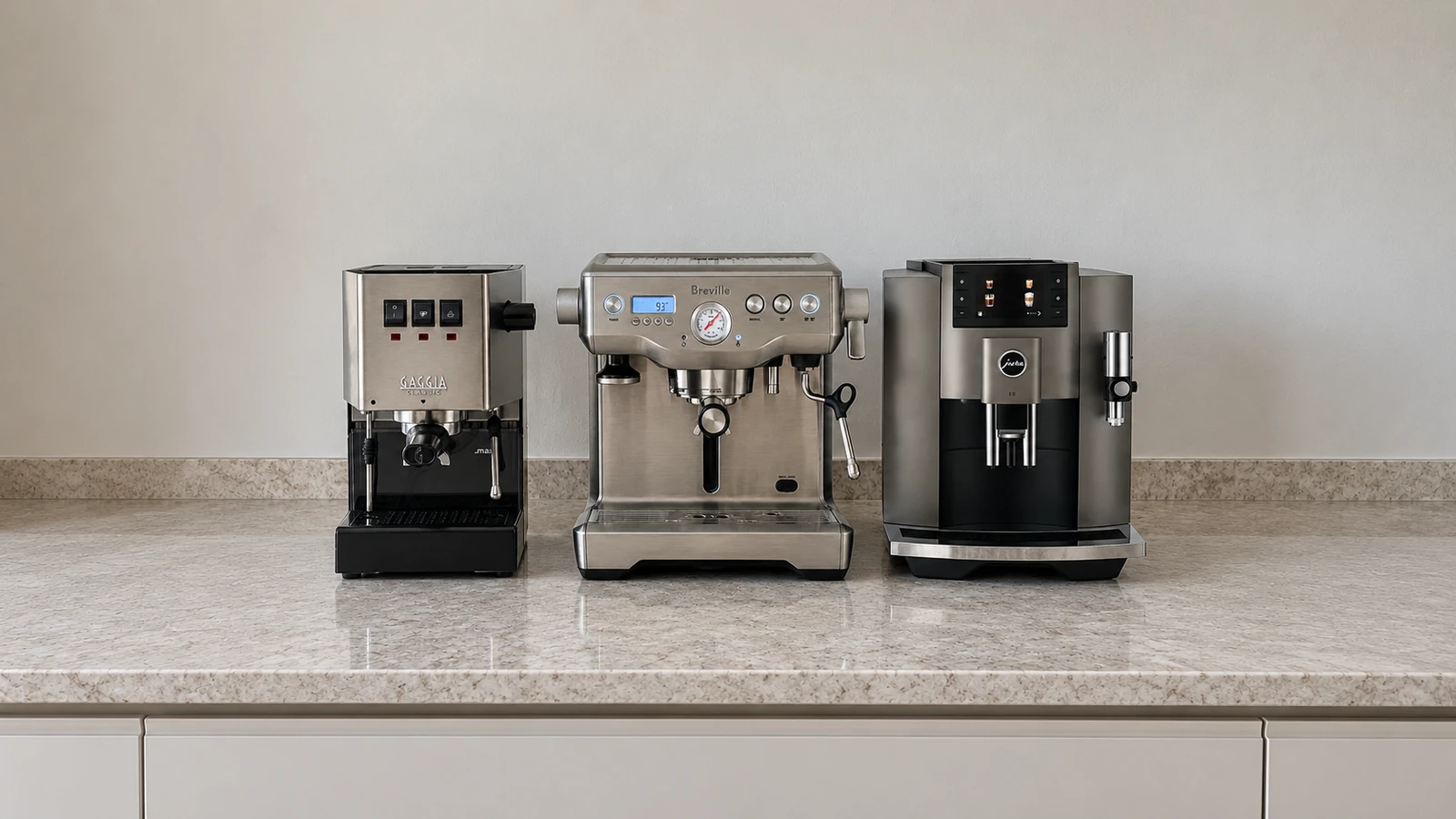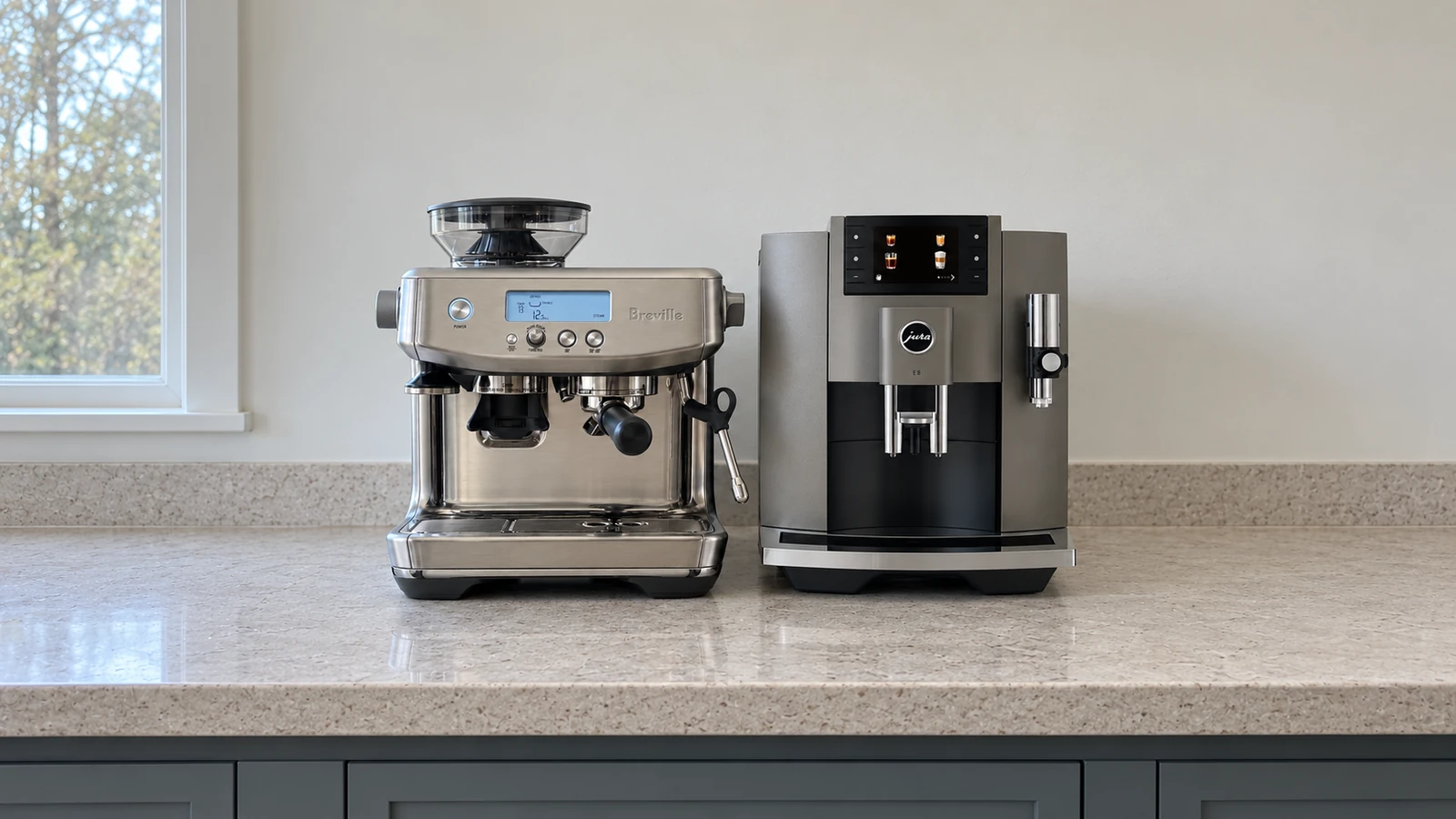
Quick answer: the best espresso machine for most beginners is the Breville Bambino Plus. If you want a built-in grinder, get the Breville Barista Pro. If you want espresso at the touch of a button, get a super-automatic like the Jura E8.
I've owned and used espresso machines from Breville, De'Longhi, Gaggia, Jura and Philips, and researched many more. This page brings together all my espresso machine guides, so you can go from "which type do I need?" to the exact model.
My Top Picks
 1
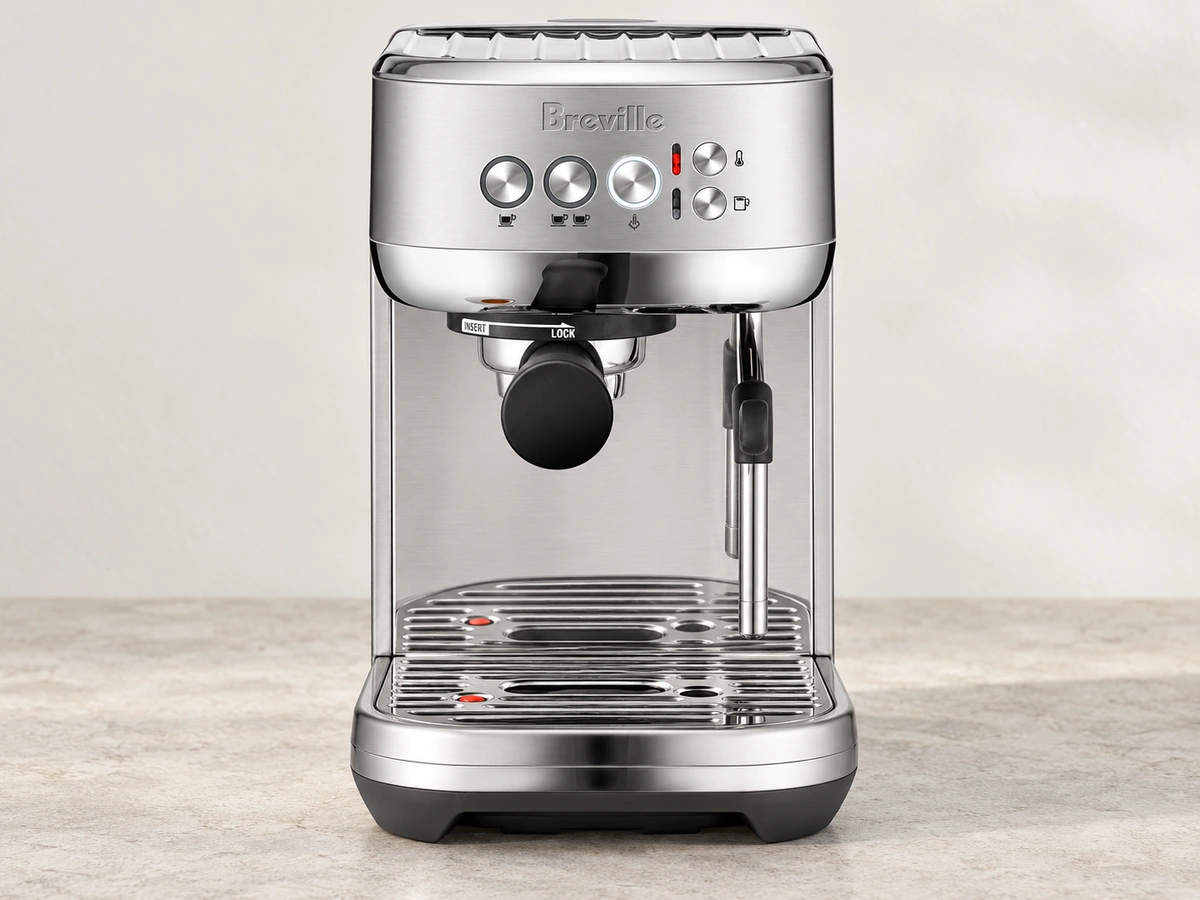
Breville Bambino Plus
- Café-quality espresso
- Hands-free milk steaming
- Almost no learning curve
 2
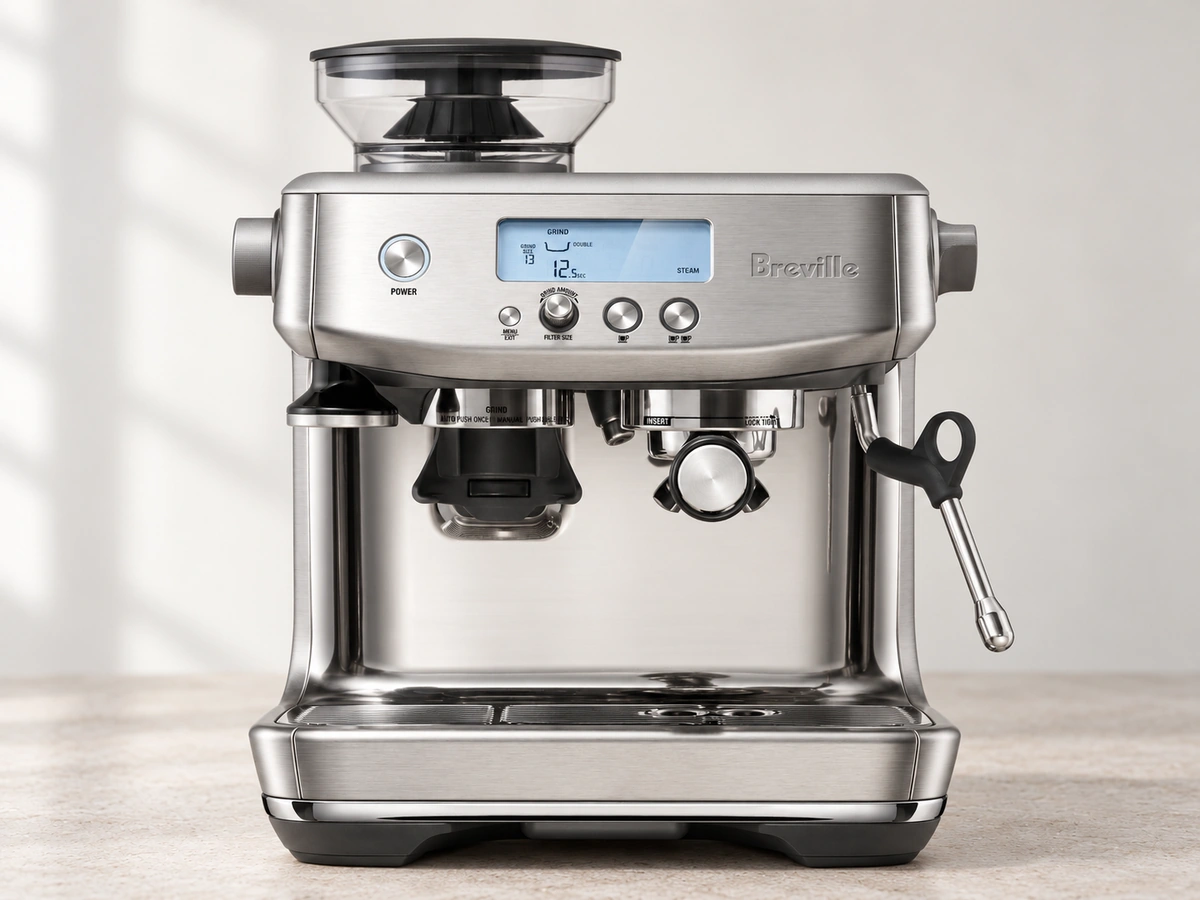
Breville Barista Pro
- Built-in grinder
- Shot timer
- Fast ThermoJet heating
 3
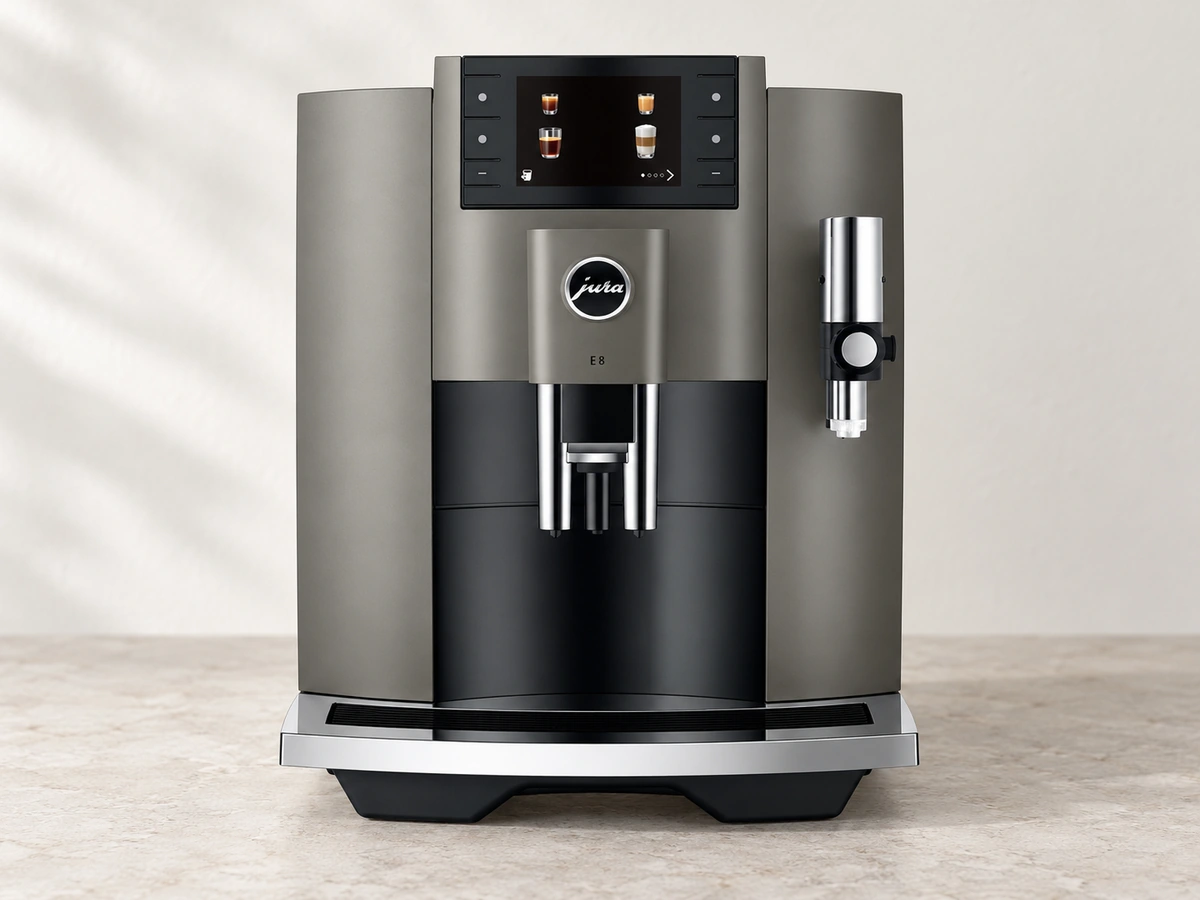
Jura E8
- The best-tasting one-touch espresso I've tested
- Wide range of black and milk drinks
- Froths milk to more than one texture
 4
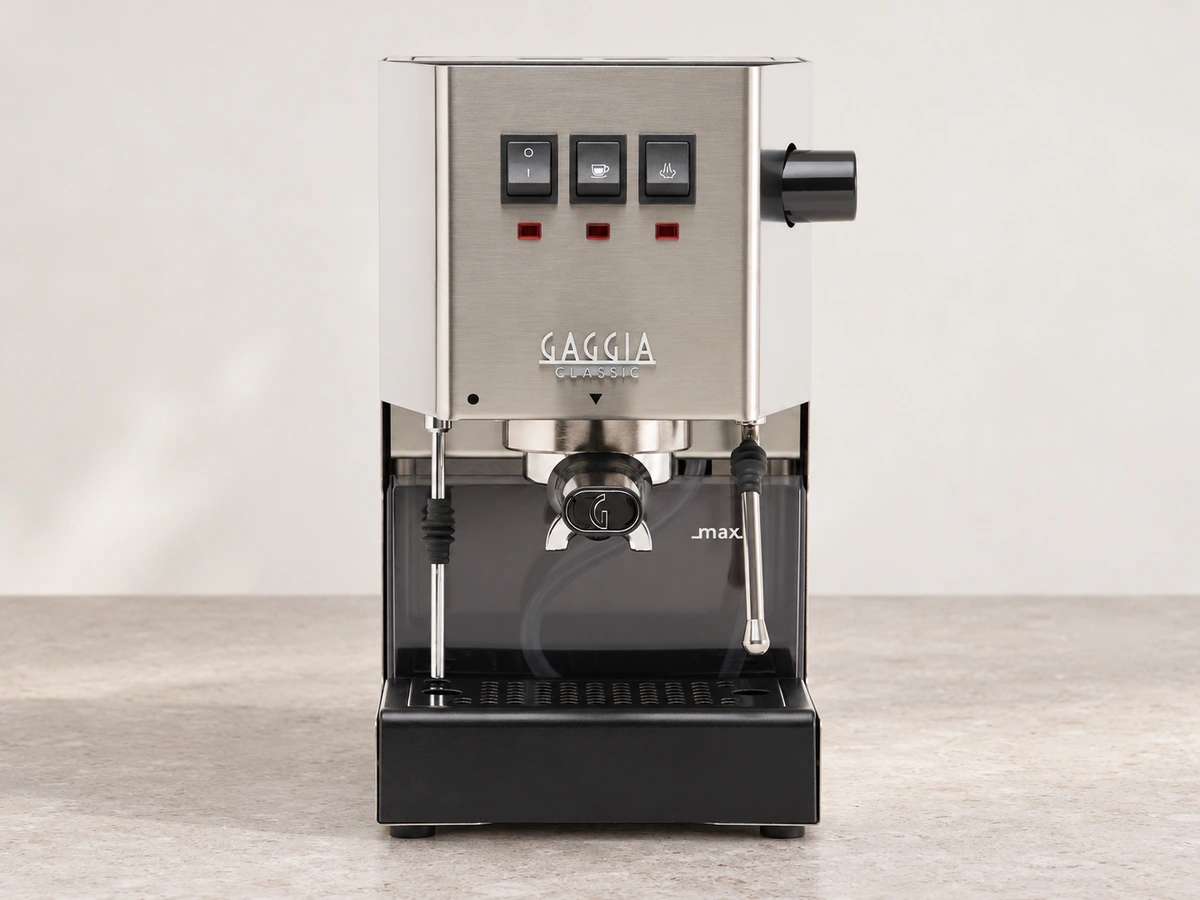
Gaggia Classic Pro
- Durable classic that can last decades
- Easy to modify
- Commercial-style steam wand
 5
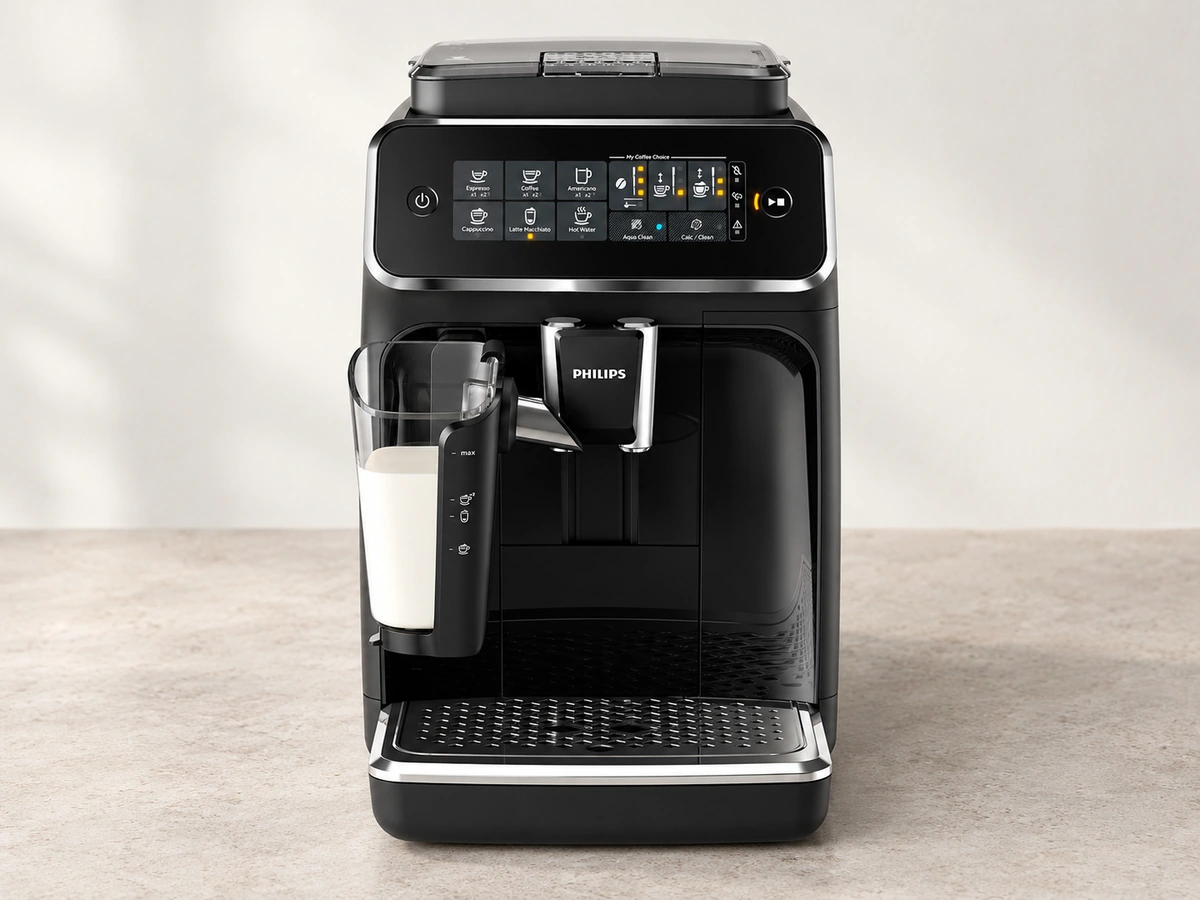
Philips 3200 LatteGo
- Easy one-touch milk drinks
- The simplest milk system to clean
- Grinds beans for you
Step 1: Choose the Type of Machine
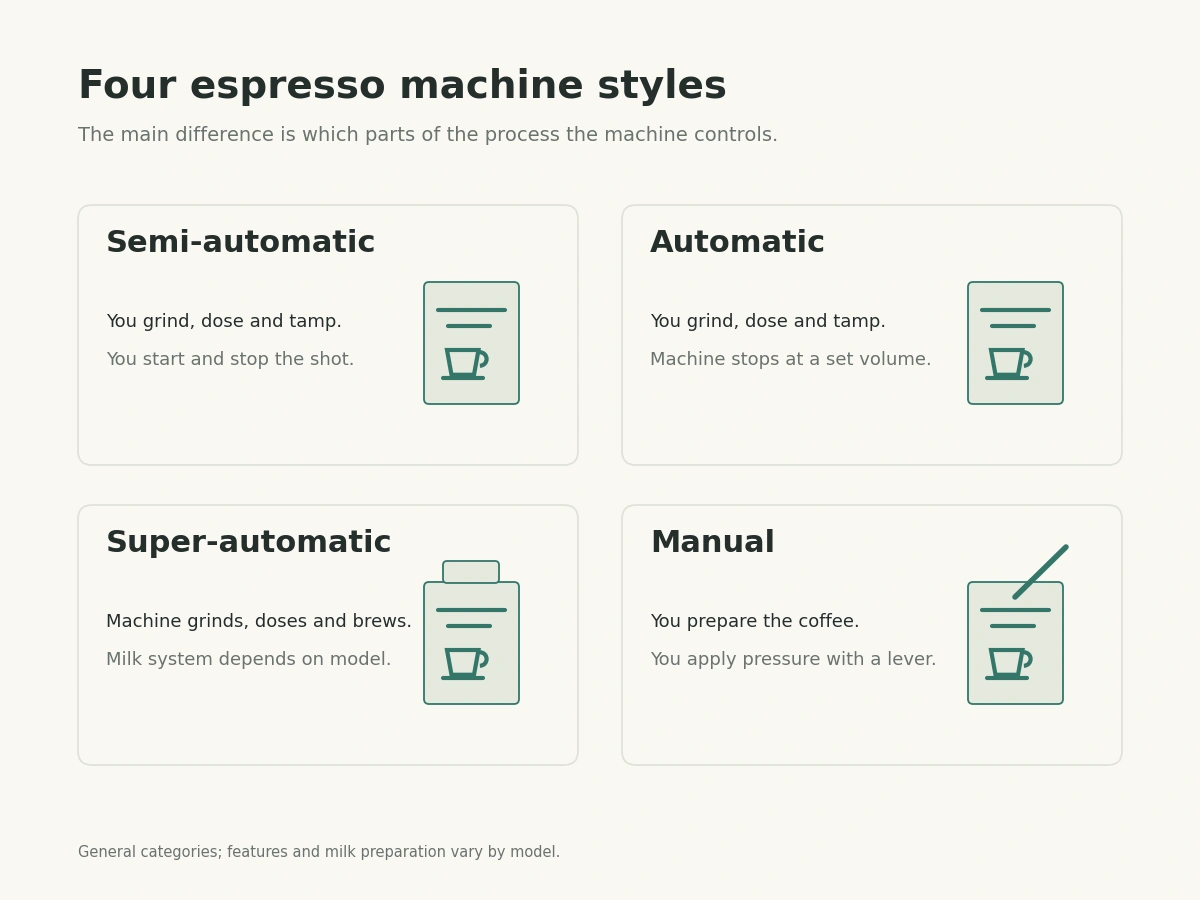
This is the biggest decision. I explain it in depth in semi-automatic vs automatic vs super-automatic.
| Type | You do | Best for | Start here |
|---|---|---|---|
| Semi-automatic | Grind, dose, tamp, start and stop the shot | Hobbyists who want control | Gaggia Classic Pro, Rancilio Silvia |
| Automatic (programmable) | Grind and tamp; the machine stops the shot | Most beginners | Best for beginners |
| Built-in grinder | Tamp and brew; grinding is built in | Saving space | Best with a grinder |
| Super-automatic | Press a button | Convenience, offices | Best super-automatic |
| Manual (lever) | Everything, including pressure | Enthusiasts, style | Best manual |
Step 2: Set Your Budget (and Include a Grinder)
Budget for a grinder as well as a machine, unless the machine has one built in or you'll use pressurized baskets with pre-ground coffee. Fresh, finely ground coffee makes a bigger difference than most machine upgrades.
- Under $500: best espresso machines under $500
- Under $1,000: best espresso machines under $1,000
- Super-automatics under $1,000: best super-automatics under $1,000
- Grinders: best espresso grinders
Step 3: Decide How You'll Make Milk
- Manual steam wand: the best milk and latte art, but takes practice.
- Automatic steam wand (Bambino Plus, Barista Touch, Oracle Touch): café-quality milk with no skill needed.
- Automatic carafe (super-automatics): one-touch and easy, but less silky.
Milk-drink drinkers should start with my best home latte machines and best cappuccino makers.
Best-Of Guides
- Best espresso machines for beginners
- Best espresso machines with a grinder
- Best super-automatic espresso machines
- Best manual espresso machines
- Best home latte machines
- Best cappuccino makers
- Best Italian espresso machines
- Best under $500, best under $1,000 and best super-automatics under $1,000
By Brand
Breville
My best Breville espresso machines guide, plus:
- Reviews: Bambino, Bambino Plus, Barista Pro, Infuser
- Comparisons: Bambino vs Bambino Plus, Bambino Plus vs Barista Express, Barista Pro vs Barista Express, Barista Express vs Barista Touch, Barista Pro vs Barista Touch, Barista Touch vs Oracle Touch
De'Longhi
My best De'Longhi espresso machines guide, plus:
- Reviews: Dinamica, Dinamica Plus, Magnifica Evo, Magnifica ESAM3300, Dedica EC680M, ECP3420
- Comparisons: Dinamica vs Dinamica Plus, Magnifica Evo vs Philips 3200, Dinamica Plus vs Gaggia Cadorna Prestige
Gaggia
My best Gaggia espresso machines guide, plus:
- Reviews: Classic Pro, Brera, Anima Prestige, Cadorna Prestige, Magenta Prestige
- Comparisons: Classic Pro vs Rancilio Silvia, Classic Pro vs Barista Express, Classic Pro vs Bambino Plus
Jura
My best Jura coffee machines guide, plus:
- Reviews: E4, E6, E8, ENA 4, ENA 8, S8, Z10
- Comparisons: E6 vs E8, E8 vs ENA 8, E8 vs S8, E8 vs Z10, S8 vs Z10, Z10 vs Gaggia Accademia
Philips
- Reviews: 3200 LatteGo, 4300 LatteGo, 5400 LatteGo
- Comparisons: 3200 vs 4300, 4300 vs 5400, Philips 5400 vs De'Longhi Dinamica Plus
Other Brands
Brand vs Brand
- Breville vs De'Longhi
- Breville vs Jura
- Jura vs De'Longhi
- Jura vs Gaggia
- Jura vs Miele
- Breville Barista Pro vs De'Longhi La Specialista
- De'Longhi La Specialista vs Breville Barista Express
Espresso Basics
- Pressurized vs non-pressurized portafilter baskets
- Semi-automatic vs automatic vs super-automatic
- Types of coffee drinks
- Whole bean vs ground coffee
Prefer pods? See my Nespresso machines hub.
FAQs
What is the best espresso machine for home use?
For most beginners, the Breville Bambino Plus with a good grinder. If you want everything in one machine, the Breville Barista Pro. For one-touch convenience, a super-automatic like the Jura E8.
How much should I spend on an espresso machine?
A good beginner setup (machine plus grinder) costs roughly $500 to $800. Spending more mostly buys convenience, durability or features rather than dramatically better espresso.
Do I need a grinder for an espresso machine?
For the best results, yes, unless your machine has one built in. With pre-ground coffee, use pressurized baskets.
Written by · reviewed by the Cicada Coffee Bar team
Daniel Voss
Lead Equipment Reviewer, Cicada Coffee Bar
Daniel leads the equipment-testing side of Cicada Coffee Bar. Every super-automatic, semi-automatic, and grinder featured on this site is bought or sourced independently, set up on the test bench, and brewed with daily for at least two weeks before a single word is written — tracking espresso quality, milk texture, ease of cleaning, and long-term reliability. Reviews are updated whenever pricing or firmware changes.