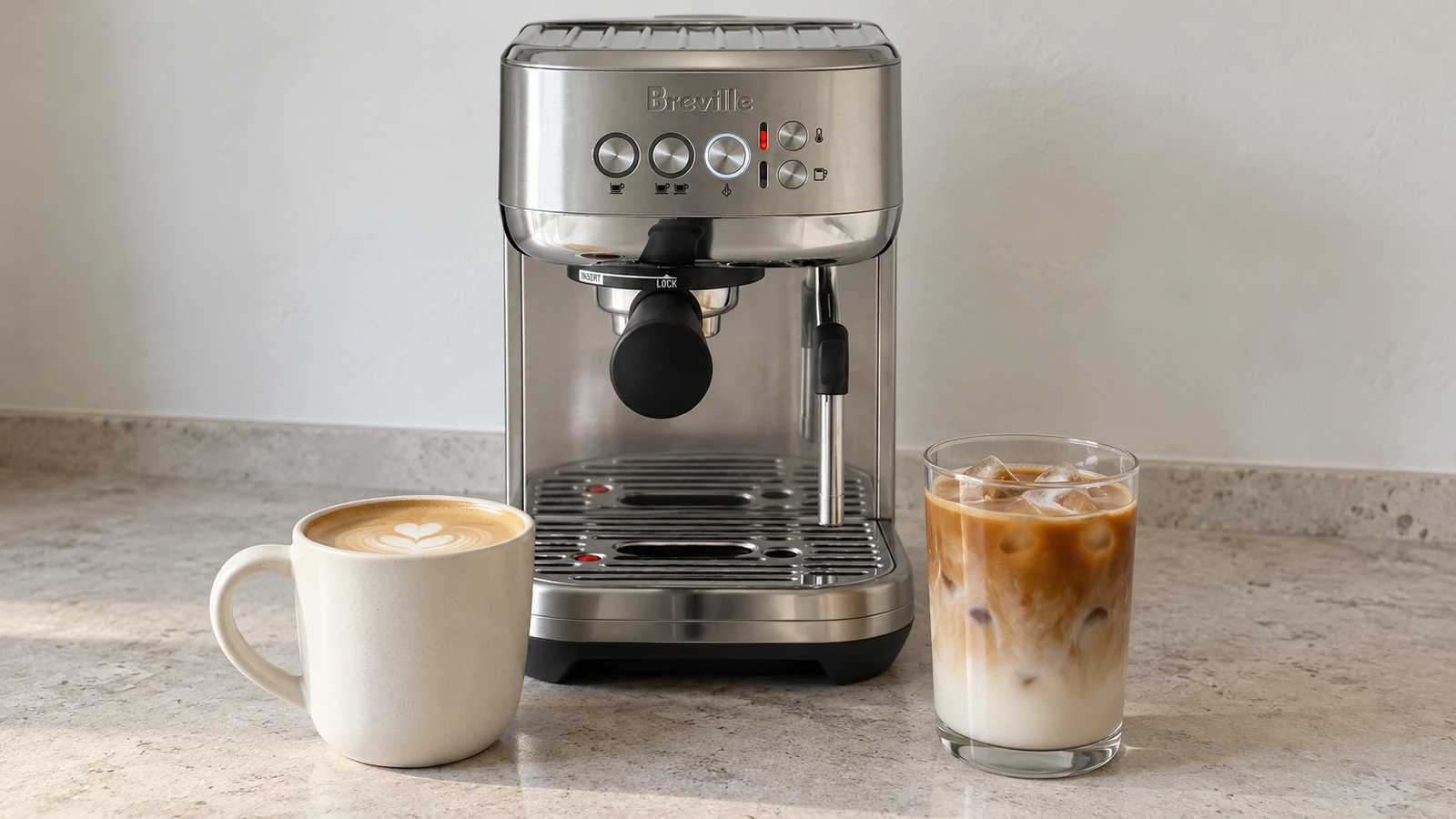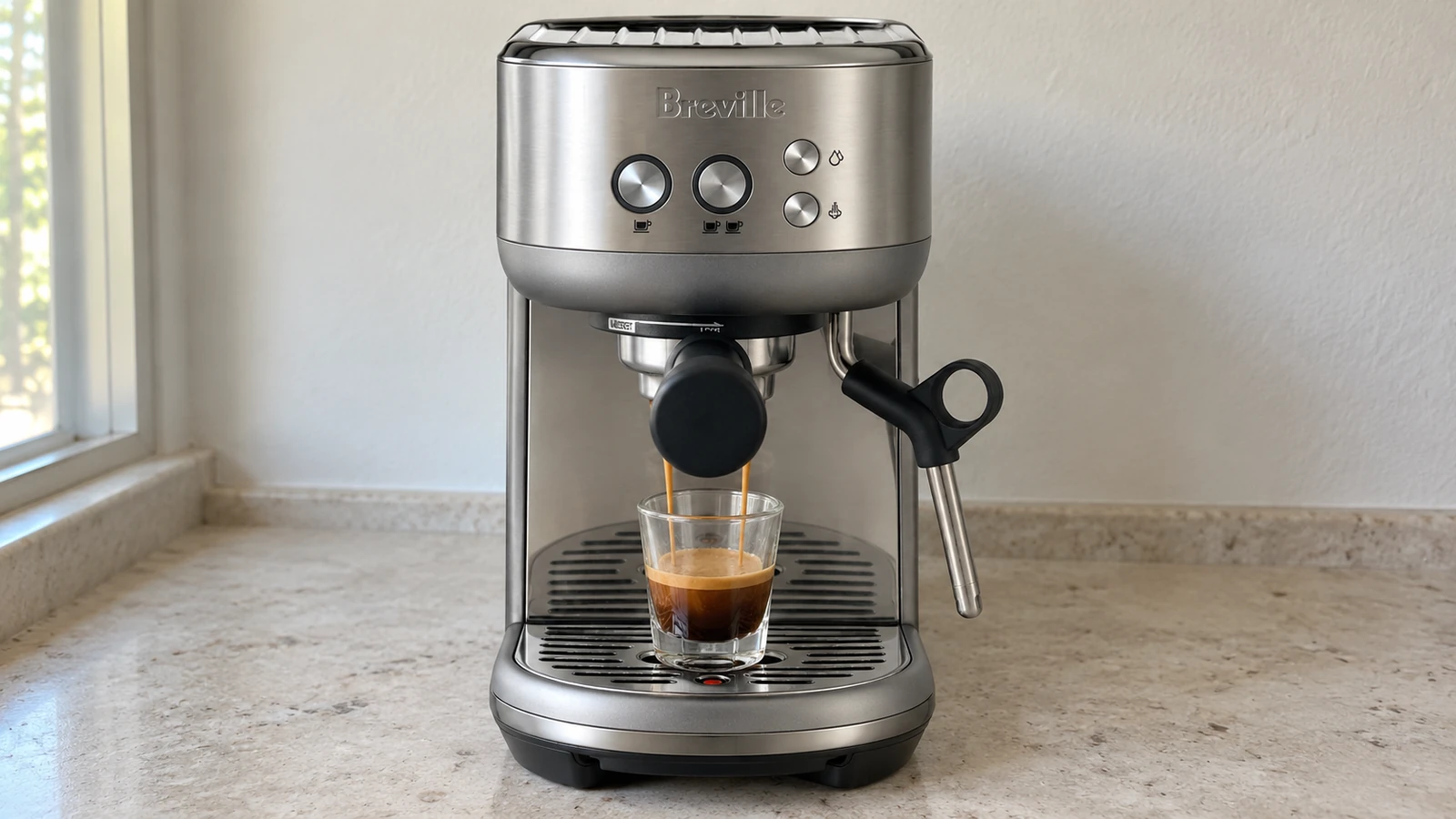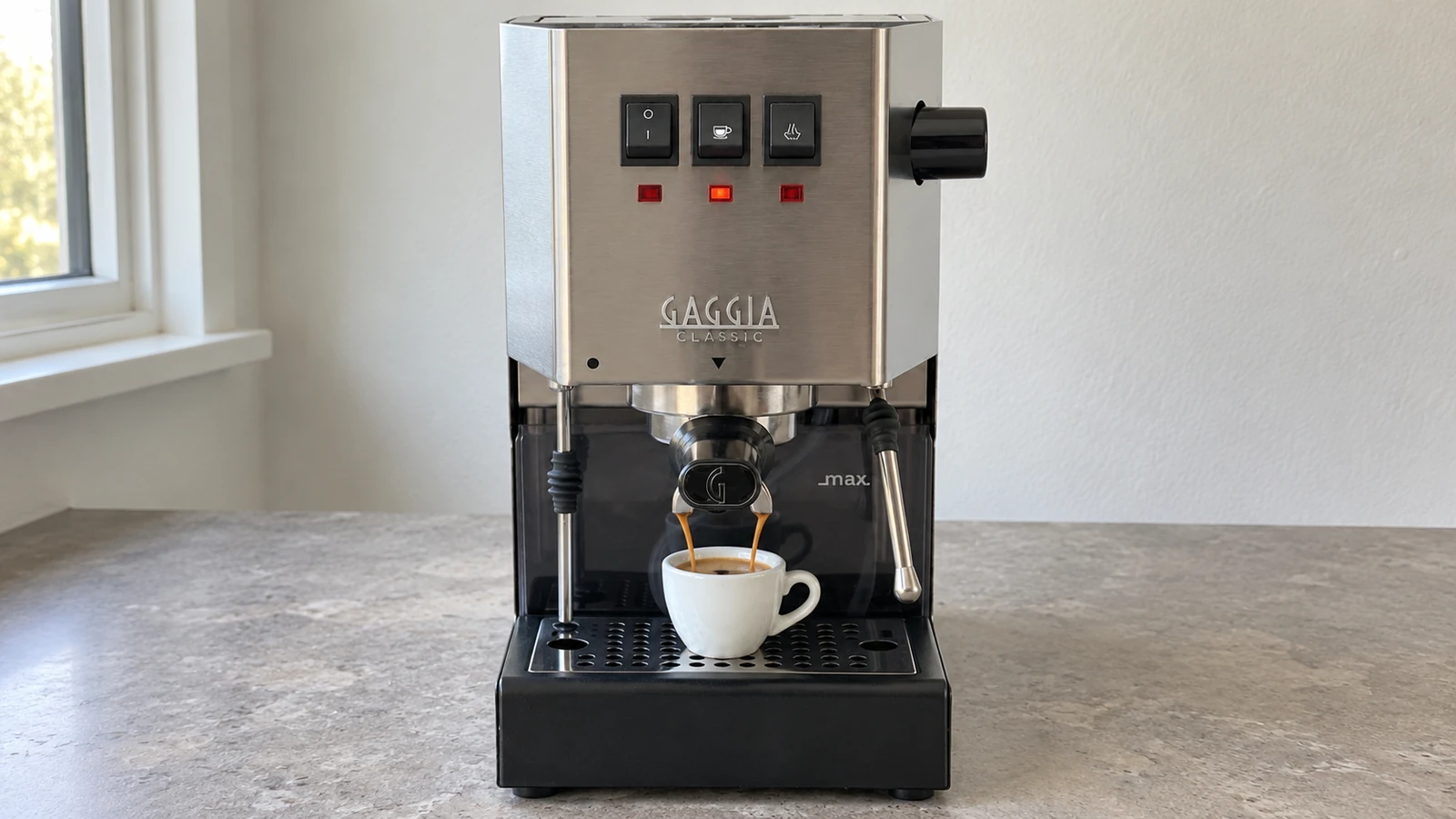
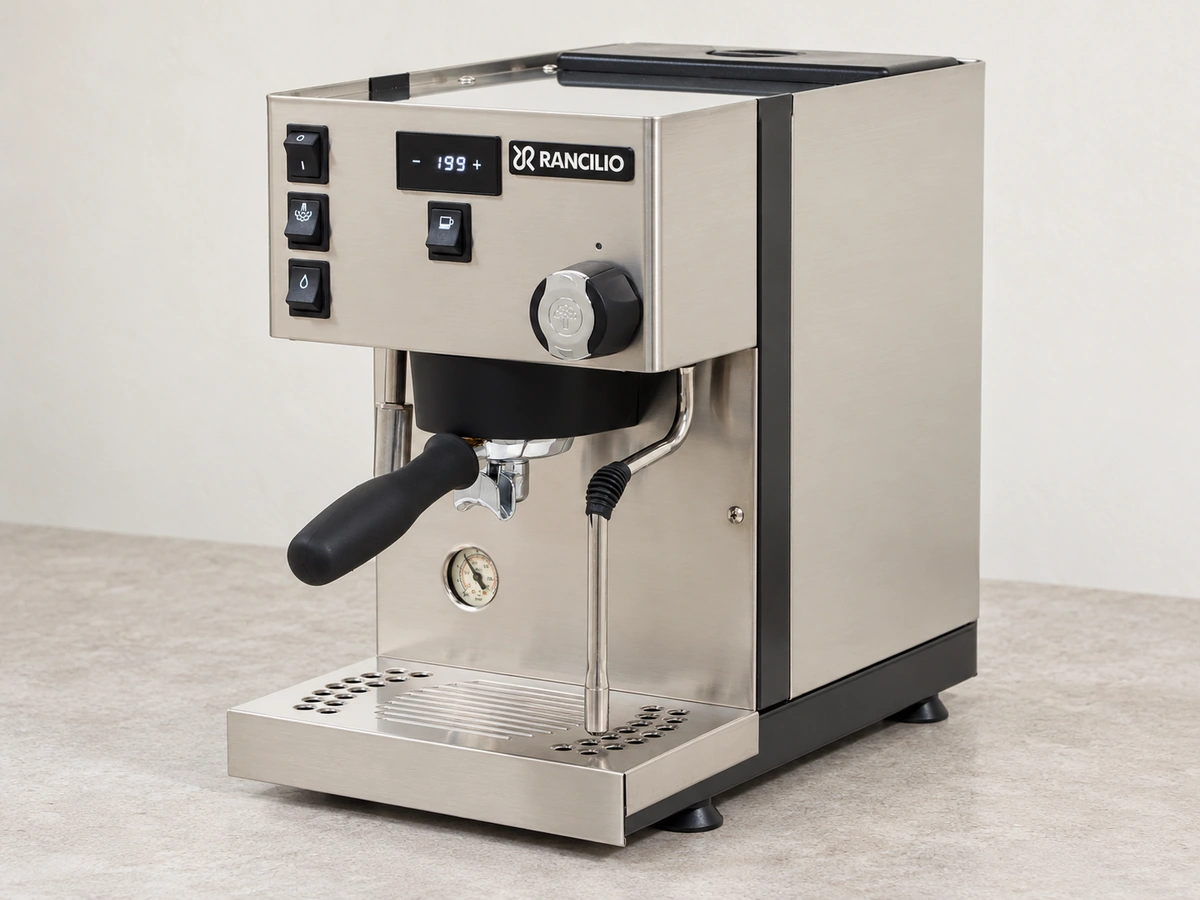
The best Italian espresso machine is the Rancilio Silvia Pro X. On a budget, get the Gaggia Classic Pro.
Espresso was born in Italy, so it makes sense that Italian brands make good machines, especially at the higher end. Here I compare Italian-designed machines on coffee quality, ease of use and value. Every pick is designed by an Italian company, but not all are made in Italy, so I note where each is built.
- Best overall: Rancilio Silvia Pro X
- Budget pick: Gaggia Classic Pro
- Most stylish: La Pavoni Professional
- Best super-automatic: De'Longhi Eletta Explore
- Best stovetop: Bialetti Moka Express
I also flag one popular Italian range to avoid.
My Top Picks
 1
Rancilio Silvia Pro X
- Dual boiler: brew and steam at once
- Precise PID control and a shot timer
- Made in Italy, with a tank-like build
 2
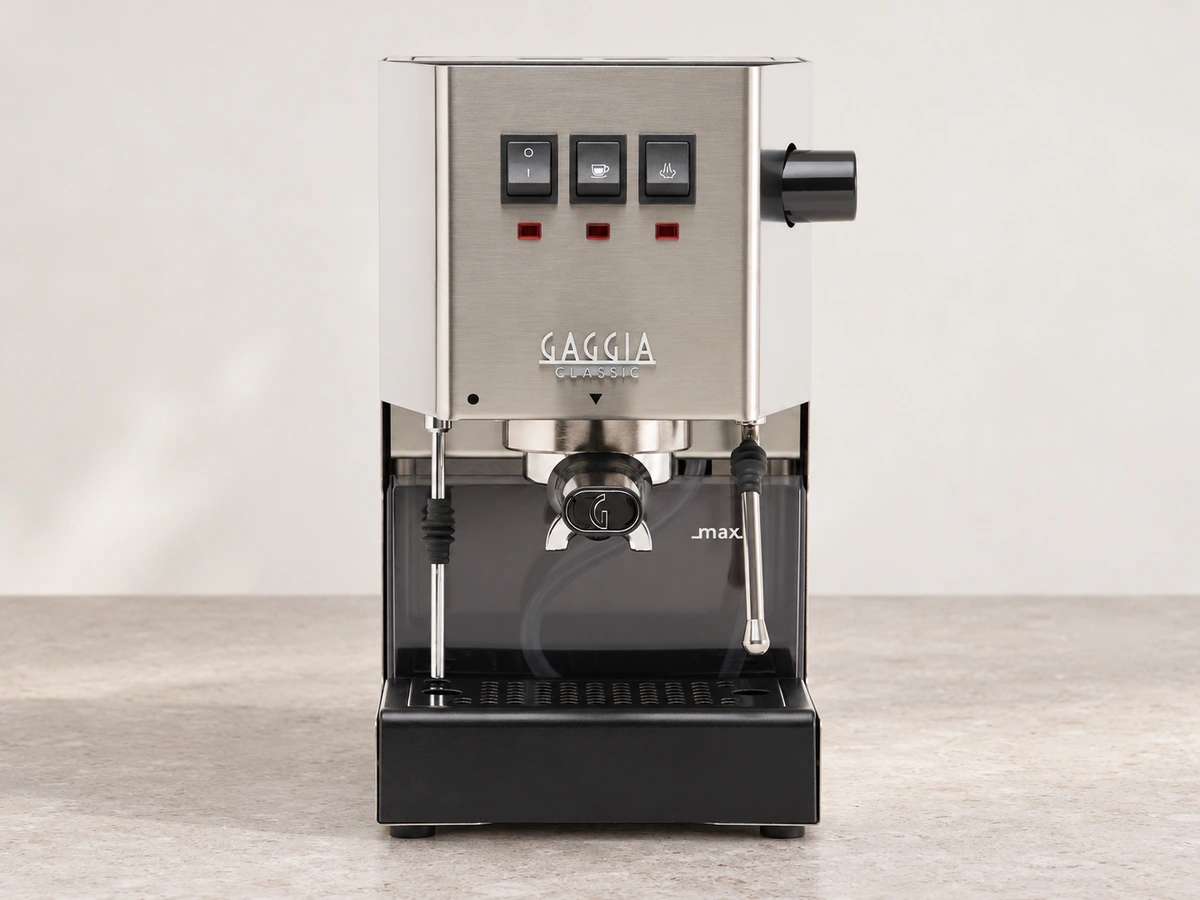
Gaggia Classic Pro
- Café-quality espresso for around $500
- Commercial-size 58 mm portafilter
- Easy to repair and modify
 3
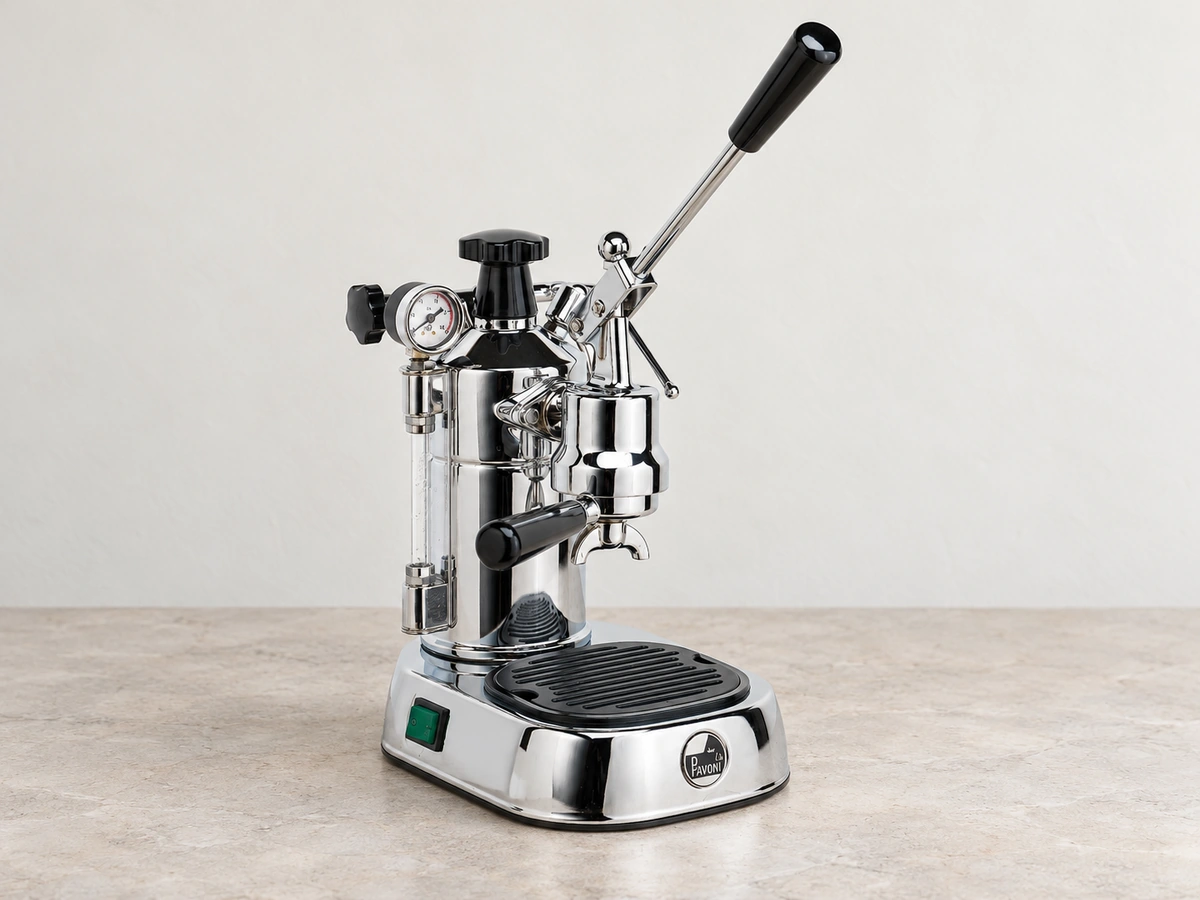
La Pavoni Professional
- A classic Italian lever machine
- Espresso that rivals any home machine
- Can last a lifetime
 4
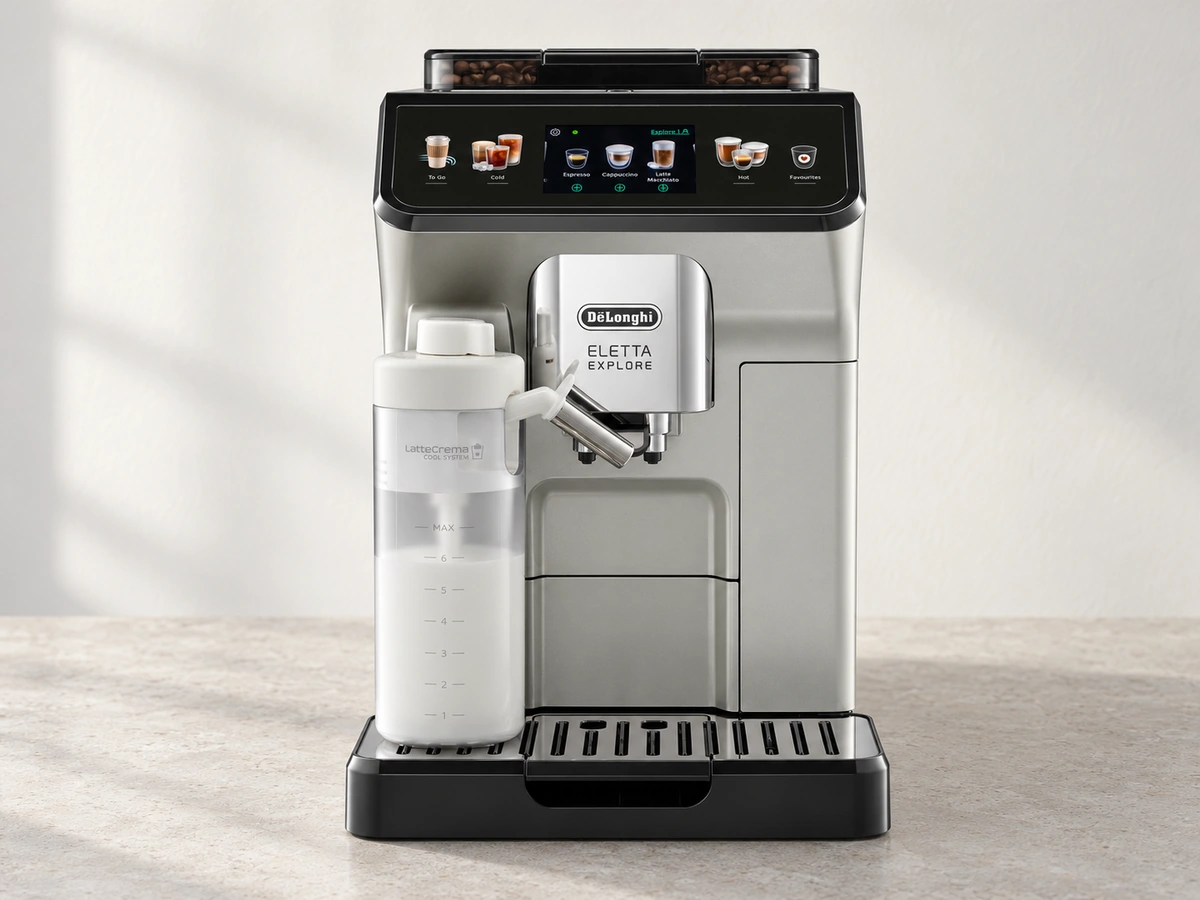
De'Longhi Eletta Explore
- One-touch drinks from a touchscreen
- Iced lattes with cold foam
- Italian-designed super-automatic
 5
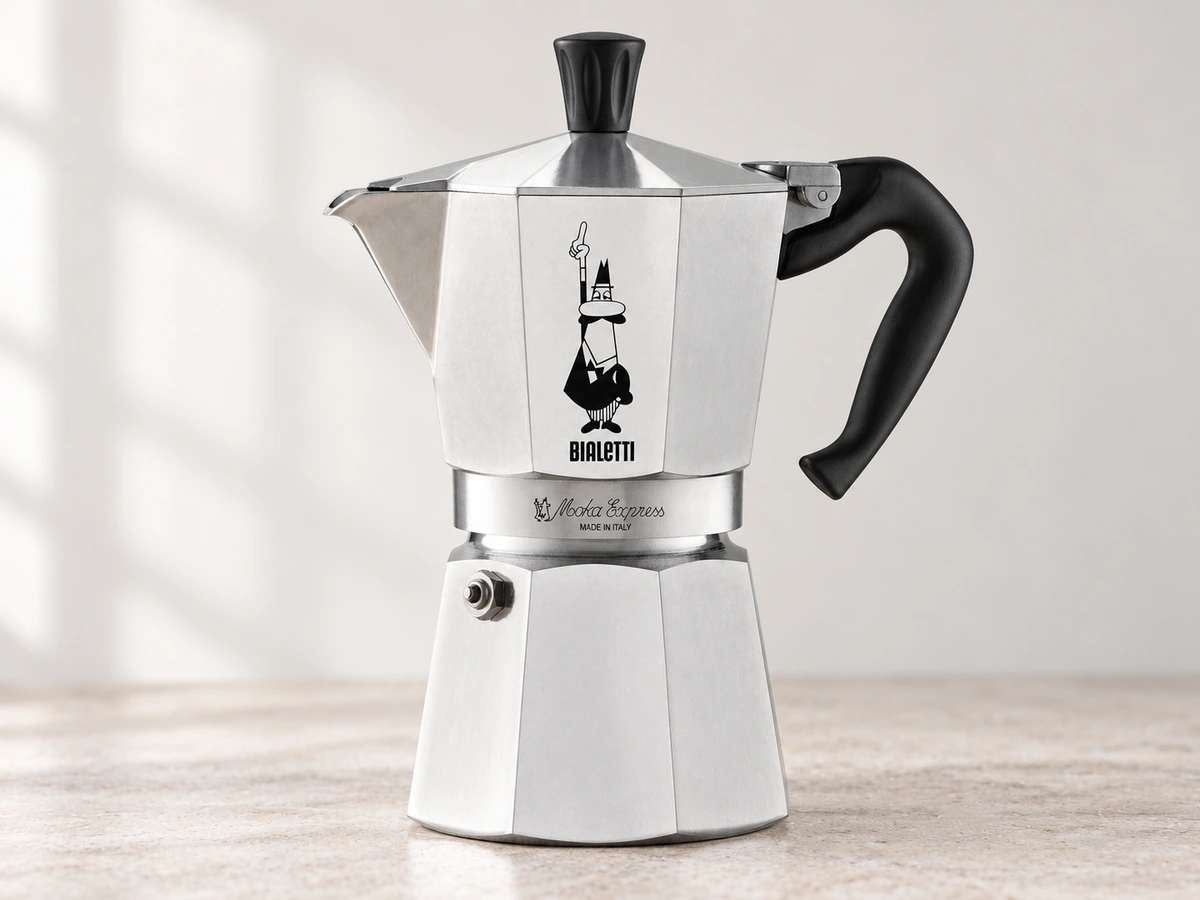
Bialetti Moka Express
- The original moka pot, designed in 1933
- Strong, rich coffee on any stove
- Cheap, durable and very Italian
Best Overall: Rancilio Silvia Pro X
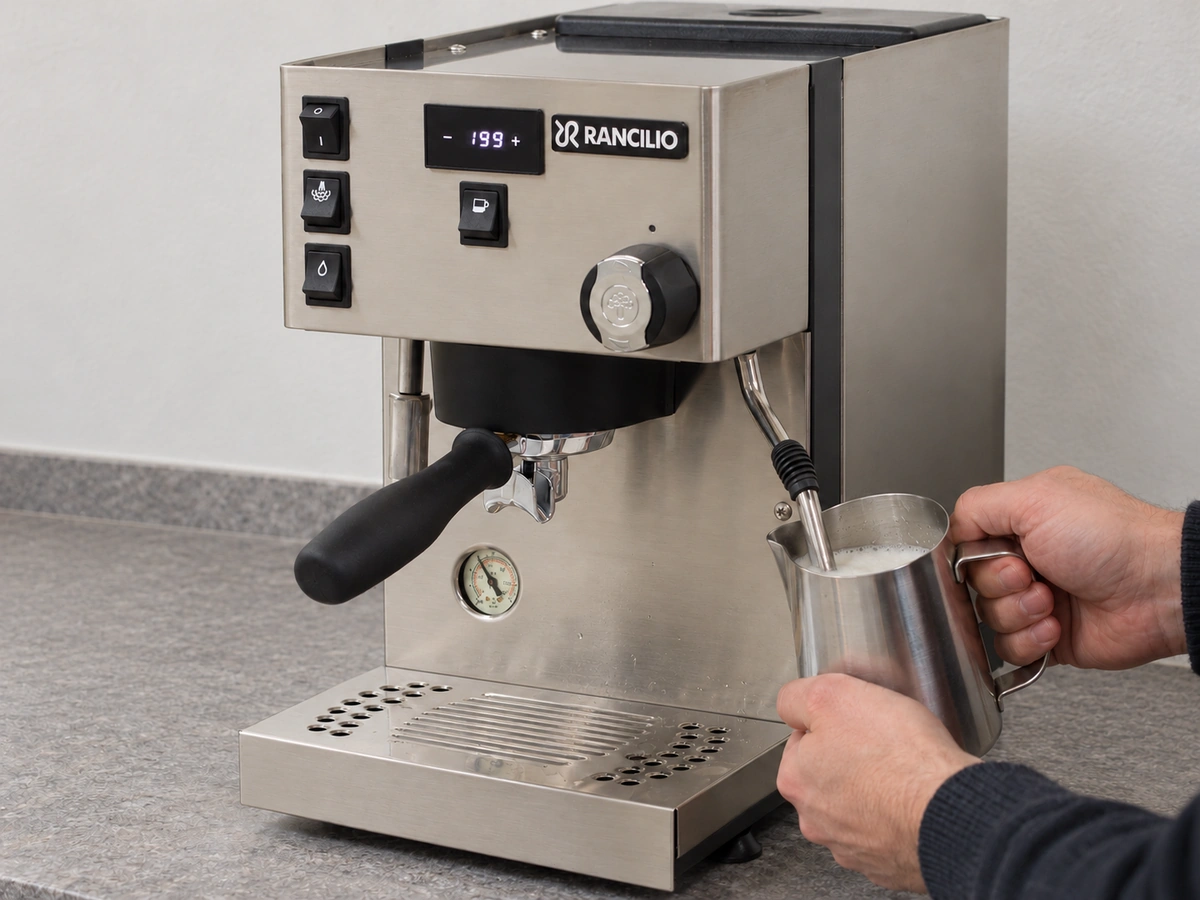
One of the best home espresso machines you can buy, Italian or otherwise.
| Specification | Rancilio Silvia Pro X |
|---|---|
| Type | Semi-automatic, dual boiler |
| Made in | Italy |
| Temperature control | PID (adjustable in 1°F steps) |
| Shot timer | Yes |
| Brew and steam at once | Yes |
| Dimensions (W x D x H) | 10" x 16.5" x 15.2" |
| Price | Premium (usually over $2,000) |
Espresso Quality: 10/10
Some of the best shots of any home machine, thanks to very accurate, stable temperature control. The built-in shot timer makes it easy to dial in and stay consistent.
Features: 9/10
You can set the brew temperature roughly between 194°F and 205°F. That matters with lighter roasts, which need hotter water to extract well, and specialty coffee keeps getting lighter. Separate brew and steam boilers mean you can pull a shot and steam milk at the same time. It also has soft pre-infusion, an auto on/off timer and dedicated rinse and drain modes, which are rare on semi-automatics.
Ease of Use and Cleaning: 8/10
The PID removes the hardest part of most semi-automatics: no temperature surfing, unlike the base Rancilio Silvia or the Gaggia Classic Pro.
The steam wand is very powerful. That is great if you know what you are doing, but a beginner's milk may get too hot before it's textured. The drip tray shares the base Silvia's flaw: you have to lift it at the front, so a full tray tends to spill.
Design and Durability: 9/10
Built like a tank, easy to open up, and well supported by technicians, so it has buy-it-for-life potential. The look is utilitarian, substance over style.
Value: 8/10
A big outlay, but you get café-level espresso and milk from a machine that can last decades.
Why buy it: superb espresso, handles light roasts well, extremely durable. Why skip it: expensive, a messy drip tray.
Budget Pick: Gaggia Classic Pro
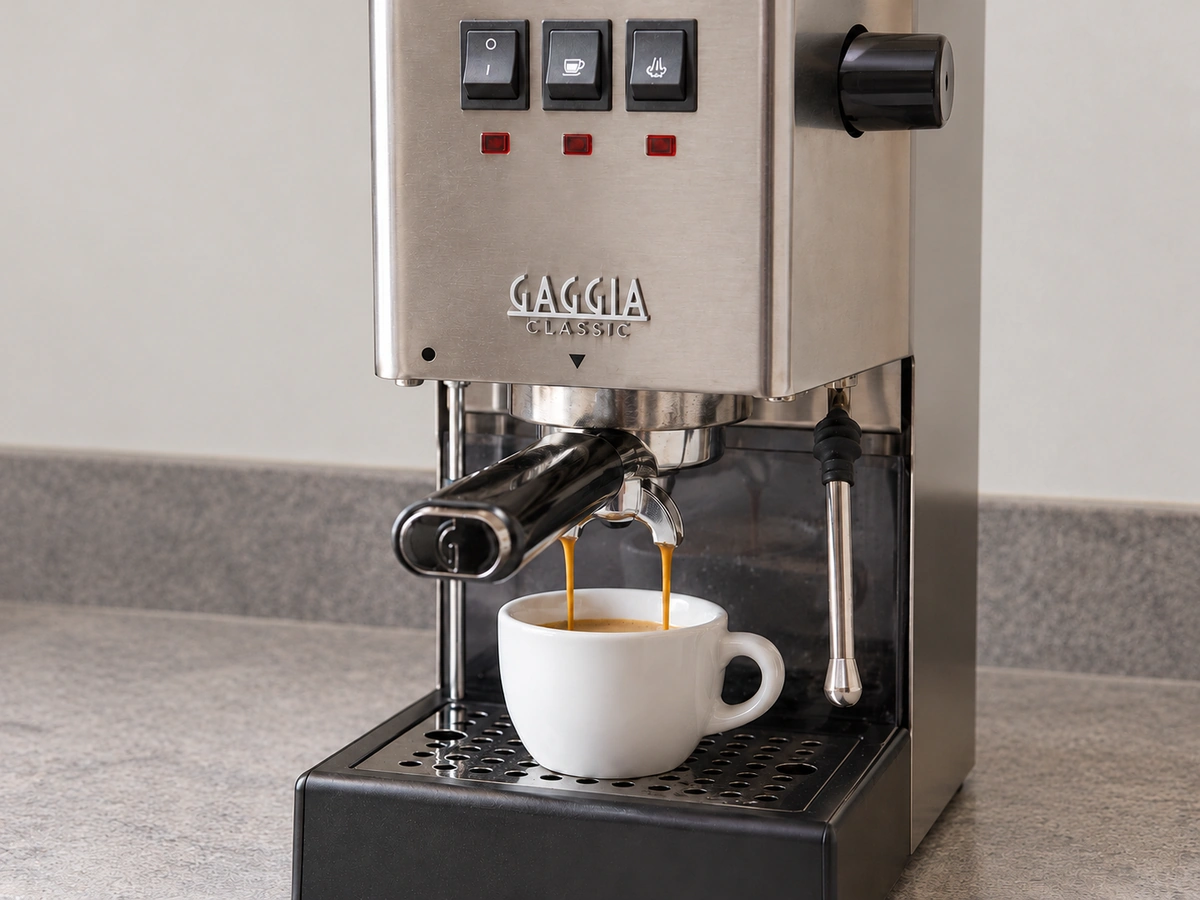
Espresso an Italian would be proud of, usually for around $500. See my full Gaggia Classic Pro review.
| Specification | Gaggia Classic Pro |
|---|---|
| Type | Semi-automatic, single boiler |
| Made in | Italy |
| PID | No |
| Portafilter | 58 mm |
| Dimensions (W x D x H) | 9.5" x 8" x 14.2" |
| Price | Affordable |
Espresso Quality: 9/10
Very good, especially on newer models. Older Classic Pros were set to brew at well above 9 bar, which can add harsh, woody notes. The fix is an over-pressure valve (OPV) spring swap. The current Classic Evo Pro ships with a 9-bar OPV, so you can skip that mod.
Shots won't be quite as consistent as the Silvia Pro X's, since there is no PID, but the espresso is excellent for the price.
Features: 6/10
It brews espresso and steams milk, and that's it. No automatic pre-infusion or temperature control like similarly priced Breville machines. The steam wand works but is slow.
Ease of Use and Cleaning: 6/10
Three things make it tricky:
- 1No PID, so you need to temperature surf for consistent shots.
- 2Little cup clearance: you have to remove the drip tray to fit a scale under your cup.
- 3The steam wand pivots rather than using a ball joint, so it is harder to position.
Still, many people learn on it, and it isn't that hard once you have a routine.
Design and Durability: 9/10
One of the most affordable buy-it-for-life espresso machines. It has a huge modding community with guides for PIDs, steam wands and more. Low-profile drip trays help with the clearance problem.
Value: 9/10
Excellent value, especially given how long it lasts and how much you can upgrade it.
Why buy it: very durable, easy to mod, excellent espresso. Why skip it: slow steaming, no PID.
Comparing it with the Silvia? See Gaggia Classic Pro vs Rancilio Silvia.
Most Stylish: La Pavoni Professional
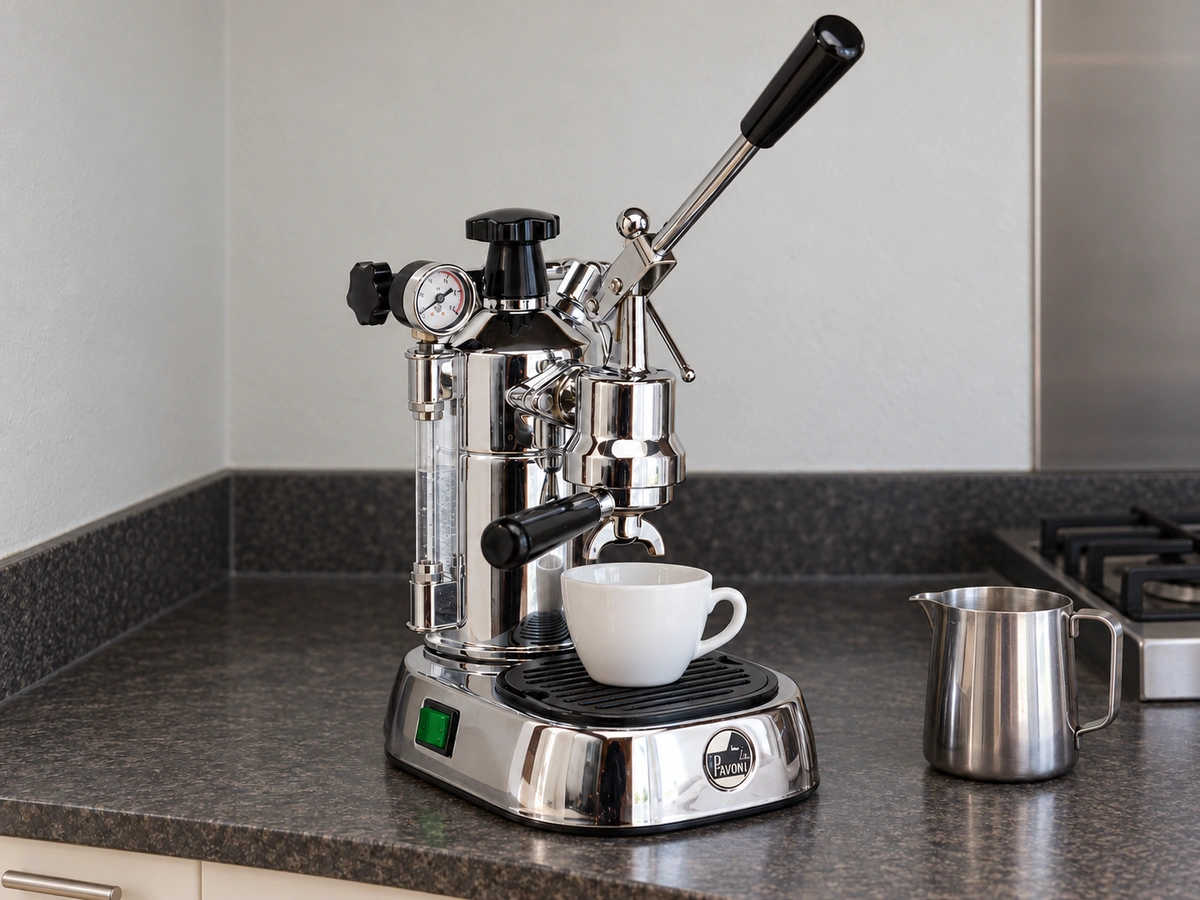
Italian flair you can actually brew with, capable of espresso that rivals any home machine.
| Specification | La Pavoni Professional (PL/PC-16) |
|---|---|
| Type | Manual lever, single boiler |
| Made in | Italy |
| Boiler | 38 oz with pressure gauge |
| Price | Mid to premium |
Espresso Quality: 8/10
An excellent first shot, but poor back-to-back shots. You control pressure with the lever and temperature by purging the group. After a shot or two the group head overheats, so later shots taste harsh and burnt unless you let it cool.
Features: 5/10
It brews and steams. Pressure is entirely up to you, which is the whole point of its retro design.
Ease of Use and Cleaning: 5/10
It takes practice. You manage temperature by bleeding off steam and pressure by how you pull the lever. It also gets very hot, so keep your hands off the metal while brewing. For more lever options, see my best manual espresso machines.
Design and Durability: 10/10
The quintessential Italian espresso machine, bought as much for looks as for coffee. It even appeared in a James Bond film. Machines from the 1970s are still in daily use, and spare parts are easy to find.
Value: 6/10
More of a treat than a value buy. You can get more capable machines for the money; you buy a La Pavoni as a statement piece.
Why buy it: the best-looking Italian machine, very good espresso. Why skip it: poor at back-to-back shots, gets very hot.
Want a smaller version? The La Pavoni Europiccola features in my best espresso machines under $1,000.
Best Super-Automatic: De'Longhi Eletta Explore
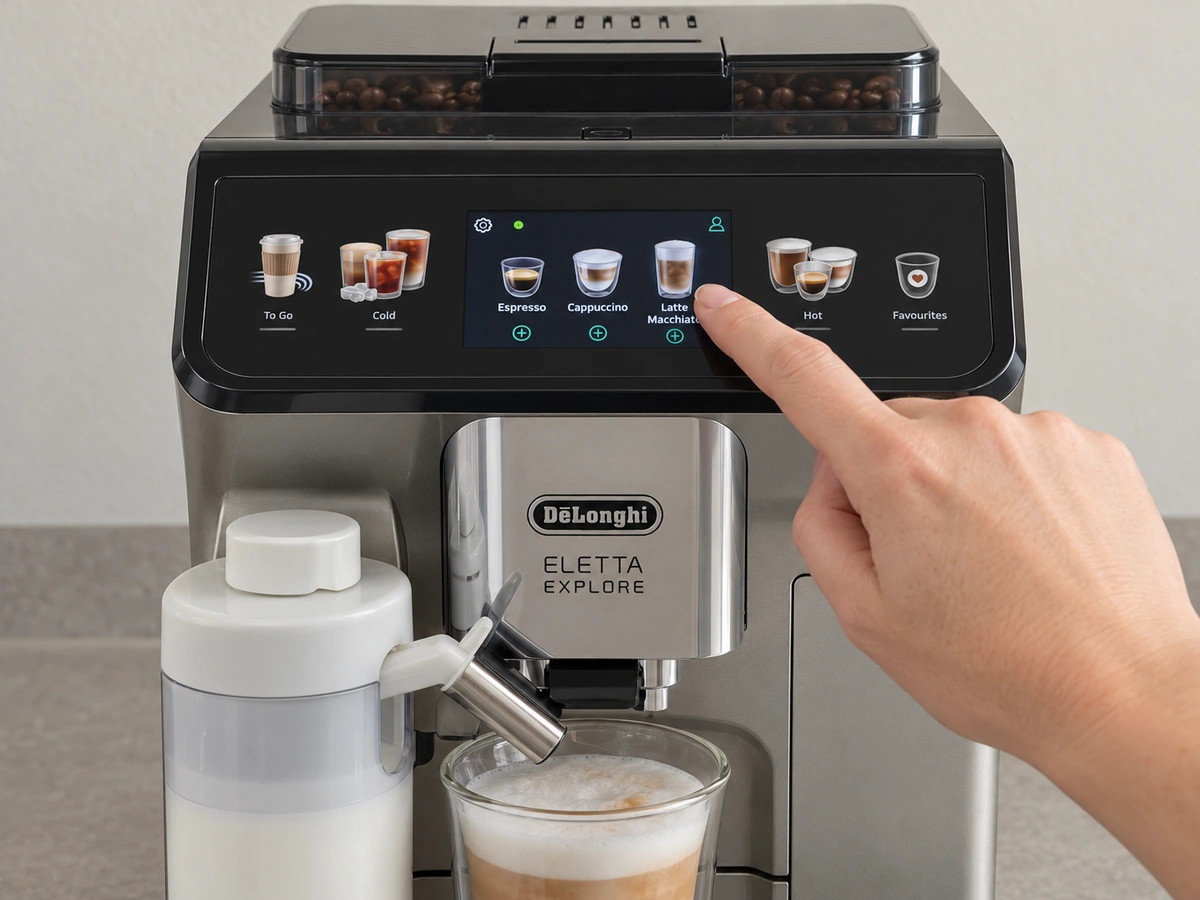
Almost any coffee drink at a tap, including iced drinks.
| Specification | De'Longhi Eletta Explore |
|---|---|
| Type | Super-automatic with hot and cold milk foam |
| Made in | Outside Italy (Italian-designed) |
| Controls | Touchscreen |
| Dimensions (W x D x H) | 10.3" x 17.5" x 15.1" |
| Price | Premium |
Espresso Quality: 6/10
Not as good as the Gaggia, Rancilio or La Pavoni. No super-automatic can match a portafilter machine: the automated grind and tamp can't be dialed in as precisely, so the espresso has less depth and body. The frothed milk is also less silky than a steam wand's.
Features: 10/10
A huge menu of hot and cold drinks at a tap, including cold milk foam for iced lattes and cold-extracted coffee. Few super-automatics do all that.
Ease of Use and Cleaning: 10/10
A completely different level of convenience. Choose your drink and adjust size, strength and milk ratio on the touchscreen. It rinses itself after each drink, and the milk carafe is dishwasher safe.
Design and Durability: 7/10
It feels well made, and the touchscreen is responsive. But like all super-automatics, it isn't designed to be opened up and rebuilt, so it won't last as long as the other machines here.
Value: 6/10
Only good value if you'll use the cold foam often. Otherwise, a cheaper super-automatic like the De'Longhi Magnifica Evo does most of the same jobs. More options in my best super-automatic espresso machines.
Why buy it: one-touch drinks, a huge menu, cold milk foam. Why skip it: weaker espresso than a semi-automatic, shorter lifespan.
Best Stovetop: Bialetti Moka Express
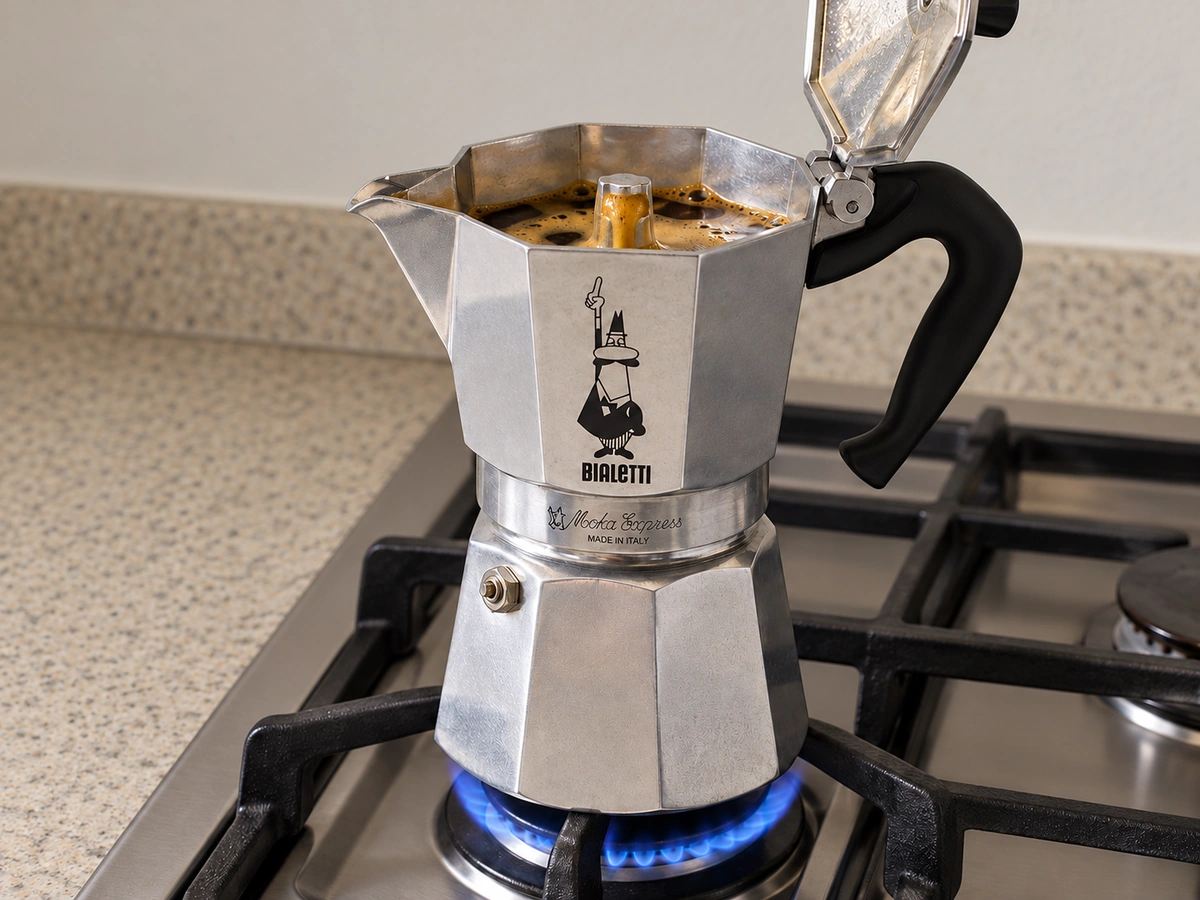
The original moka pot, with a design dating back to 1933.
| Specification | Bialetti Moka Express |
|---|---|
| Type | Stovetop moka pot |
| Made in | Varies by size and batch (check the box) |
| Sizes | 1 to 12 cups |
| Price | Very affordable |
Coffee Quality: 6/10
Strong and rich, but not true espresso. A moka pot brews at around 1 to 2 bar instead of 9, so you get less body and crema than from a real espresso machine. It is still a big step up from drip coffee in strength.
Features: 3/10
It only makes coffee. For milk drinks you'll need a separate frother.
Ease of Use and Cleaning: 8/10
Fill the base with water, the basket with ground coffee, and heat it on the stove. Grind size and dose matter less than on an espresso machine, so it works well with pre-ground coffee. Rinse it by hand: the dishwasher discolors the aluminum.
Design and Durability: 8/10
Simple and almost unbreakable. Just replace the gasket every so often, and keep the handle away from the flame.
Value: 9/10
Far cheaper than any espresso machine and lasts for years, so it's good value even if you upgrade later.
Why buy it: very cheap, works with pre-ground coffee, durable. Why skip it: less body than real espresso, no milk frothing.
Avoid: De'Longhi La Specialista Prestigio and Similar Grinder Models
I'd avoid De'Longhi semi-automatics whose built-in grinders can't grind fine enough for real espresso, such as the La Specialista Prestigio. They rely on pressurized baskets, which give a result closer to a moka pot than proper espresso. If you want a semi-automatic with a built-in grinder, the Breville Barista Pro is a much better choice. I compare them in Barista Pro vs La Specialista.
How to Choose an Italian Espresso Machine
Does It Need to Be Made in Italy?
All the brands here are Italian, but not everything is built in Italy. De'Longhi designs in Italy but makes many of its machines in other countries, and Bialetti has moved much of its production abroad too. Personally, it wouldn't put me off, but it is nice to know.
| Machine | Made in |
|---|---|
| Rancilio Silvia Pro X | Italy |
| Gaggia Classic Pro | Italy |
| La Pavoni Professional | Italy |
| De'Longhi Eletta Explore | Outside Italy |
| Bialetti Moka Express | Varies (check the box) |
What's Your Budget?
Well under $500: get a Bialetti Moka Express.
Around $500: the Gaggia Classic Pro. The De'Longhi Dedica costs about half as much, but its pressurized baskets, weak temperature control and underpowered steam wand make good espresso very hard. The Gaggia is easily worth twice the price. If you really want to spend as little as possible, see my De'Longhi Dedica review.
$500 to $1,000: still the Gaggia Classic Pro for most people, with the base Rancilio Silvia as the step up. The Silvia steams faster and is sturdier, but costs several hundred dollars more.
$1,500 and up: the De'Longhi Eletta Explore if you want one-touch drinks, or the Rancilio Silvia Pro X (usually over $2,000) if you want a traditional machine.
What Type of Machine Do You Want?
Semi-automatic: a portafilter and steam wand, where you dose, tamp and start and stop each shot. They make the best espresso and allow latte art. This is the right default for most people. Best Italian pick: the Rancilio Silvia Pro X.
Super-automatic: beans in, drink out, at a tap, usually with an automatic milk carafe. Less flavorful than a semi-automatic, but anyone in the house can use it. Best Italian pick: the De'Longhi Eletta Explore.
Manual (lever): you make the pressure yourself. Choose one for the style as much as the coffee. Best Italian pick: the La Pavoni Professional.
Moka pot: stovetop, strong and cheap, but not true espresso. Best pick: the Bialetti Moka Express.
Still unsure? My semi vs automatic vs super-automatic guide explains the differences.
Do You Really Mean "Good-Looking"?
Let's face it, part of the appeal of an Italian machine is style. If you want a machine that looks stunning on your counter and makes great espresso, get the La Pavoni Professional.
Final Verdict
The best Italian espresso machine is the Rancilio Silvia Pro X, one of the best home machines, full stop. If that is beyond your budget, the Gaggia Classic Pro gets you authentic Italian espresso for a fraction of the price. Or see my best espresso machines under $1,000.
FAQs
Which espresso machine brands are Italian?
Gaggia, Rancilio, La Pavoni, De'Longhi, Bialetti, Lelit, Bezzera and Rocket are all Italian, as is La Marzocco, which makes commercial machines.
What do Italians use to make coffee at home?
The moka pot is still the most common home coffee maker in Italy. Capsule machines are also very popular.
Is the Gaggia Classic Pro made in Italy?
Yes. Gaggia builds the Classic Pro in Italy, which is part of its appeal at this price.
Written by · reviewed by the Cicada Coffee Bar team
Daniel Voss
Lead Equipment Reviewer, Cicada Coffee Bar
Daniel leads the equipment-testing side of Cicada Coffee Bar. Every super-automatic, semi-automatic, and grinder featured on this site is bought or sourced independently, set up on the test bench, and brewed with daily for at least two weeks before a single word is written — tracking espresso quality, milk texture, ease of cleaning, and long-term reliability. Reviews are updated whenever pricing or firmware changes.